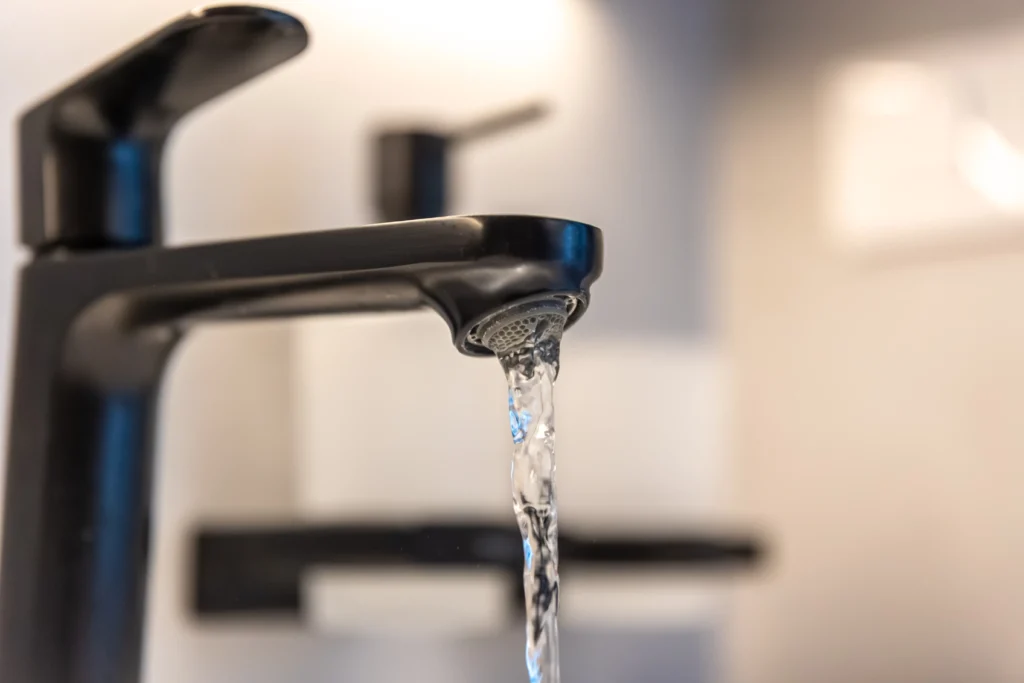
Tap Water vs. Treated Water: What Actually Comes Out of Your Faucet in Central Valley

Aqua Premier Whole Home Water Treatment LLC was founded with the mission of helping families and businesses enjoy cleaner, healthier water
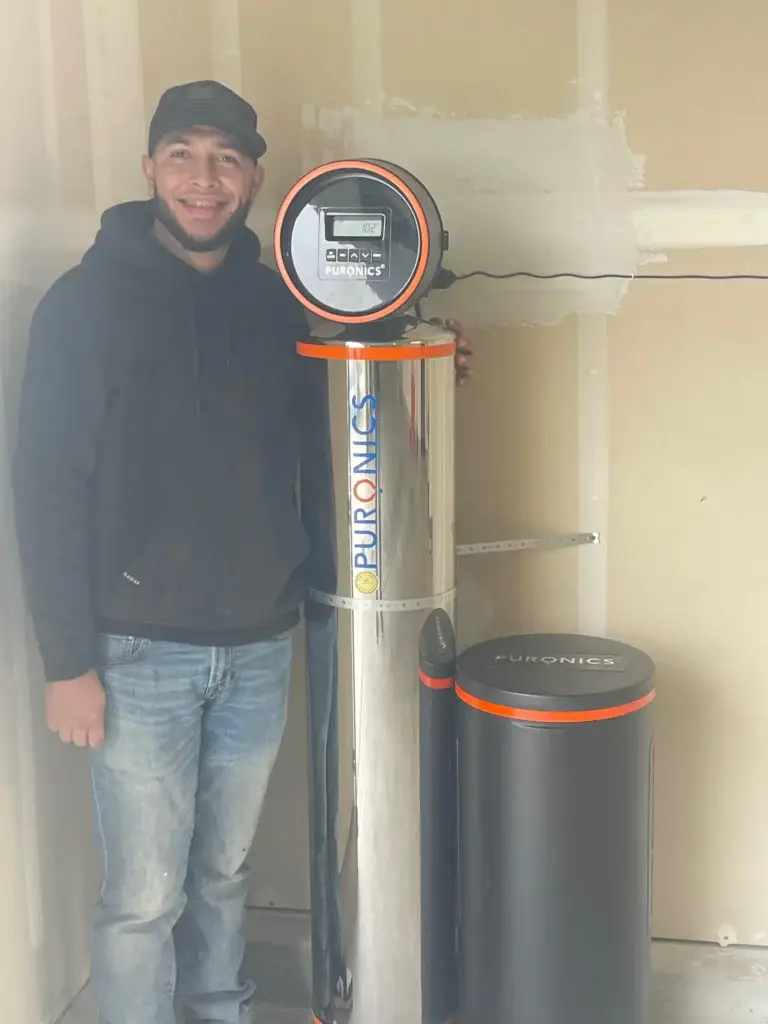
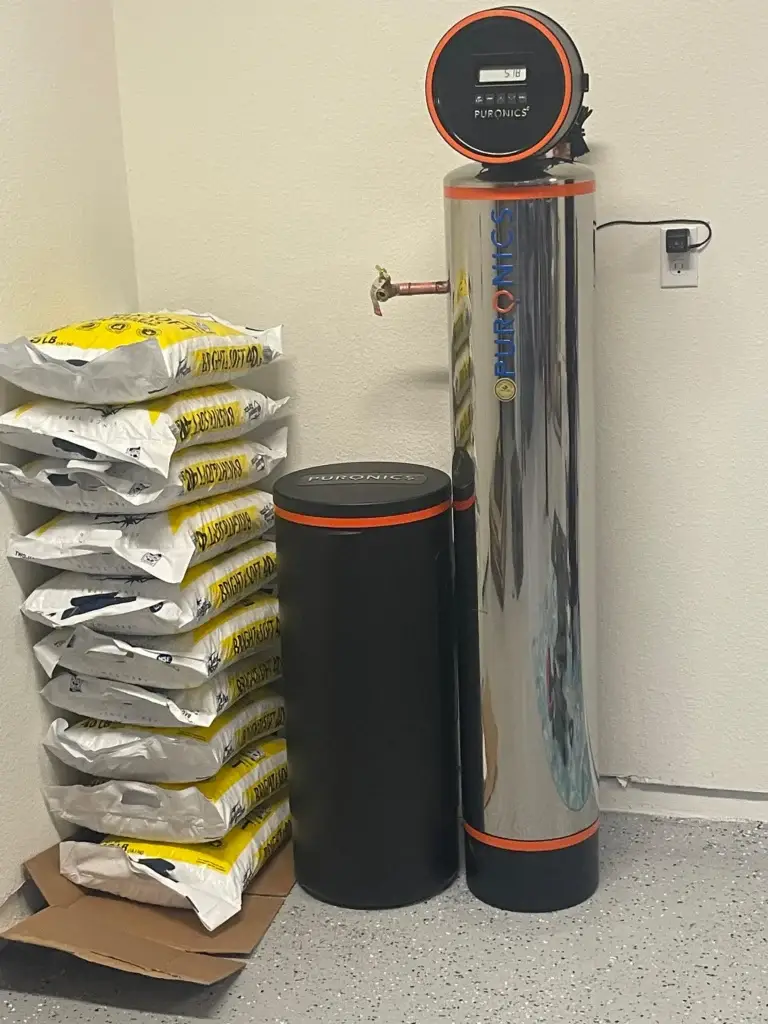
Our experts will evaluate your water conditions and recommend the best solution to improve the quality of water in your home or business.
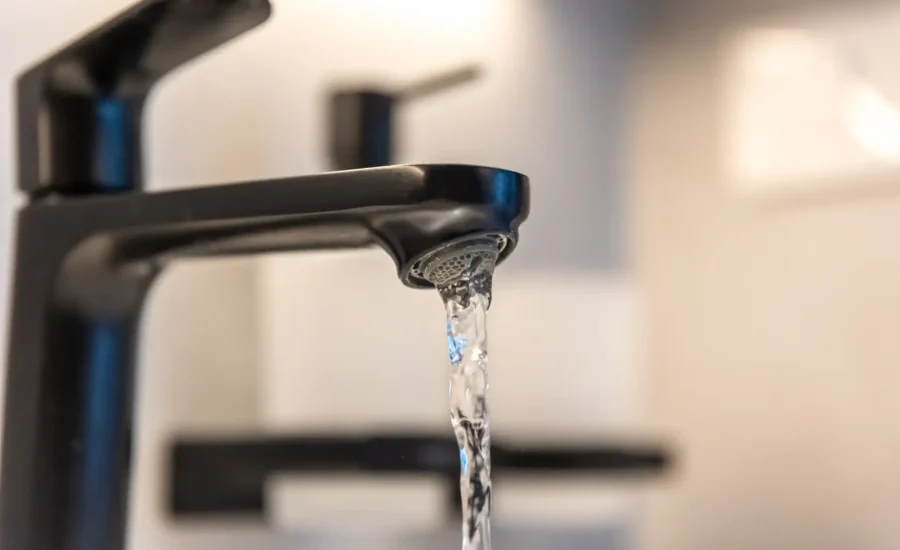
Most Central Valley homeowners turn on the faucet without giving much thought to what’s actually in the water that comes out. It’s clear. It flows. It doesn’t smell — most of the time. But clarity isn’t the same as quality, and the water coming out of your tap in Merced, Stanislaus, San Joaquin, or any of the surrounding counties carries a chemical and mineral profile that most people have never seen spelled out.
This post breaks down exactly what’s in untreated tap water across the Central Valley, what changes when that water runs through a properly installed treatment system, and why the difference matters more than most homeowners realize.
Municipal water in the Central Valley is treated before it reaches your home — that’s not in question. Water districts apply disinfection, filtration, and sometimes pH adjustment before the water enters the distribution system. What they cannot do is remove everything, and several compounds remain present in your tap water by the time it reaches your faucet.
Calcium and magnesium are the dominant issue throughout the region. Central Valley groundwater is among the hardest in California, with municipal supplies in Merced, Modesto, Turlock, and Fresno regularly testing between 15 and 28 grains per gallon. The EPA does not regulate hardness because it poses no direct health risk — but it accumulates silently inside your pipes, water heater, dishwasher, and washing machine every single day.
Most water districts across the Central Valley — including the City of Modesto, Merced Irrigation District, and others — have transitioned from chlorine to chloramine as their primary disinfectant. Chloramine is more stable than chlorine, which means it persists longer in the distribution system and is more effective at preventing bacterial regrowth in aging pipes. It also means it’s present at your faucet at measurable levels, and it requires catalytic carbon filtration to remove — standard carbon filters are not effective against it.
When chlorine or chloramine reacts with naturally occurring organic matter in the source water, it forms compounds known as trihalomethanes and haloacetic acids. These disinfection byproducts are regulated by the EPA, and most Central Valley water districts remain within legal limits. However, long-term exposure at levels within those limits is associated in ongoing research with increased health risk — and they are not removed without activated carbon or reverse osmosis filtration.
Fine sediment — sand, silt, rust particles from aging distribution pipes — is present in virtually all municipal supplies at low concentrations. Homes with older plumbing or those at the end of long distribution lines tend to see higher sediment levels. Well water homes face this more acutely, with sediment concentrations that vary significantly by season and aquifer conditions.
Nitrates in groundwater are a documented concern across agricultural areas of the Central Valley, including parts of Merced, Fresno, Kings, and Tulare Counties. Agricultural runoff and fertilizer application contribute to elevated nitrate levels in the aquifer, which feeds both private wells and some municipal supplies. Nitrates are regulated by the EPA specifically because of their risk to infants and vulnerable populations, and they are not removed by softening or standard carbon filtration — reverse osmosis is required.
A properly installed whole home water treatment system doesn’t transform your water into something artificial. It removes or reduces the specific compounds that create problems — and delivers water at every tap that performs closer to what water should be.
Once hardness minerals are removed by the ion-exchange resin in a water softener, the water that reaches your faucet, shower, and appliances no longer carries calcium and magnesium in solution. The practical effects accumulate quickly:
With catalytic carbon in the system, chloramine is removed before water reaches any tap in the home. The result is water that tastes and smells noticeably cleaner — without the flat, chemical undertone that most Central Valley residents have simply gotten used to. Disinfection byproducts are also significantly reduced at this stage.
At the drinking water tap — typically under the kitchen sink — a reverse osmosis membrane takes removal a step further. Nitrates, dissolved solids, residual chloramine byproducts, and a wide range of trace compounds that pass through carbon filtration are captured by the RO membrane. What comes out is water with a total dissolved solids count that rivals or exceeds bottled water, delivered on demand at your own kitchen tap.
One point worth understanding clearly: municipal water that meets EPA and California State Water Resources Control Board standards is legally safe. Water districts publish annual quality reports that confirm compliance, and the vast majority of Central Valley suppliers meet those standards consistently.
Meeting a legal standard and delivering optimal water quality for your home are two different things. Hardness minerals are not regulated at all. Chloramine is permitted at levels that affect taste, odor, and appliance performance. Disinfection byproducts are allowed up to thresholds that ongoing research continues to scrutinize. The regulations exist to protect public health at a population level — they are not designed to optimize the water conditions inside your specific home, for your specific plumbing, appliances, and family.
A whole home treatment system fills that gap.
The combination of high mineral hardness, widespread chloramine use, agricultural nitrate pressure on the aquifer, and aging distribution infrastructure in some areas makes the Central Valley one of the stronger cases in California for residential water treatment. This isn’t a generalized sales pitch — it’s a reflection of documented regional water conditions that affect nearly every home in the area.
The specific system a home needs depends on its source — municipal or well — its location within the county, the age of its plumbing, and the household’s priorities. A water test is always the right starting point. But for most Central Valley homeowners, the question isn’t really whether treated water is better than untreated tap water. The question is which system addresses what’s actually in their water most effectively.
Aqua Premier Homes serves homeowners across Merced, Stanislaus, San Joaquin, Monterey, San Benito, and Madera Counties as an authorized Puronics dealer. We start every consultation with a water quality assessment — no generic pitch, no assumptions about what your home needs before we’ve looked at your actual water.

Professional water softener installation, water filtration systems, and maintenance services tailored to meet your specific water needs.
We are proud to be licensed and insured professionals, giving our clients confidence and peace of mind when choosing our services.