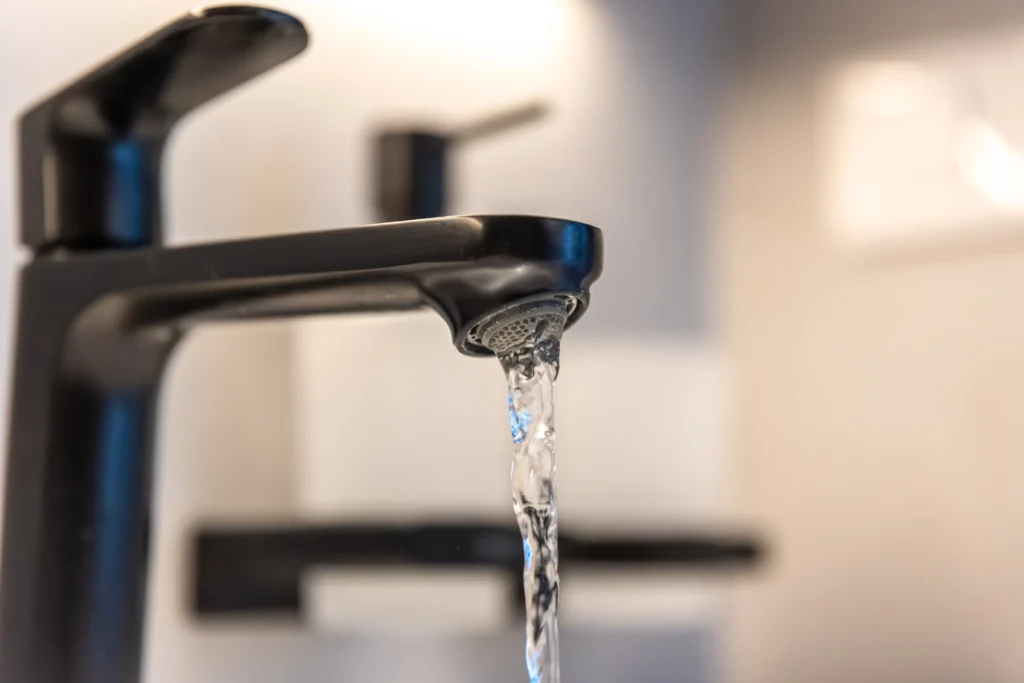
Tap Water vs. Treated Water: What Actually Comes Out of Your Faucet in Central Valley

Aqua Premier Whole Home Water Treatment LLC was founded with the mission of helping families and businesses enjoy cleaner, healthier water
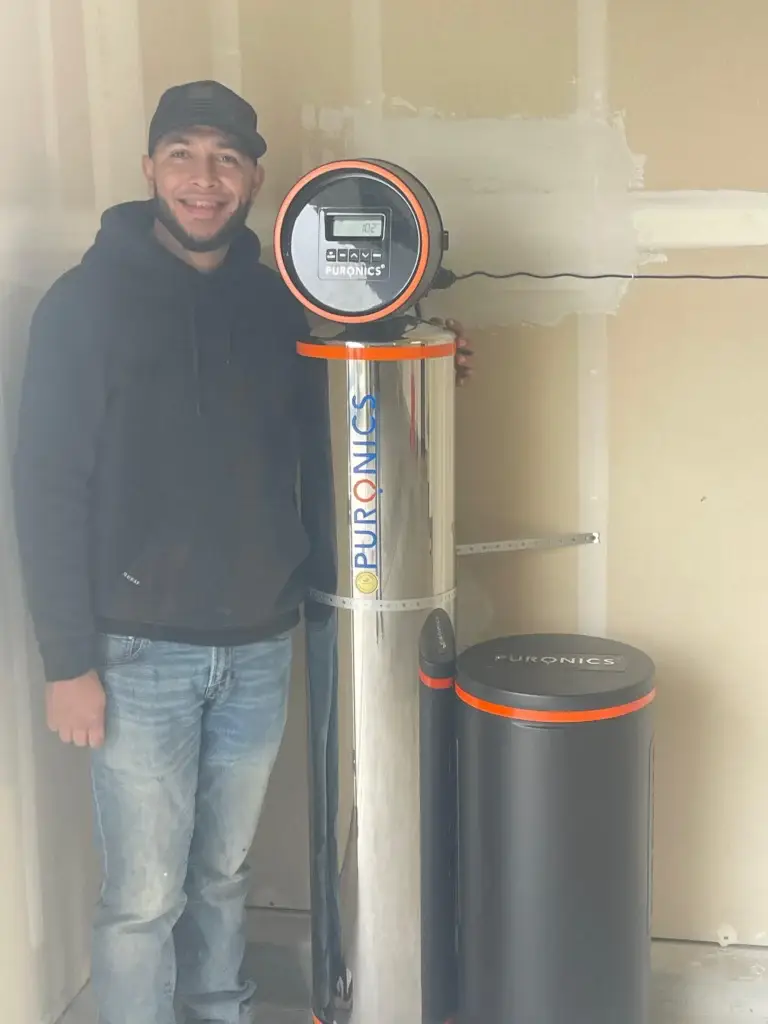
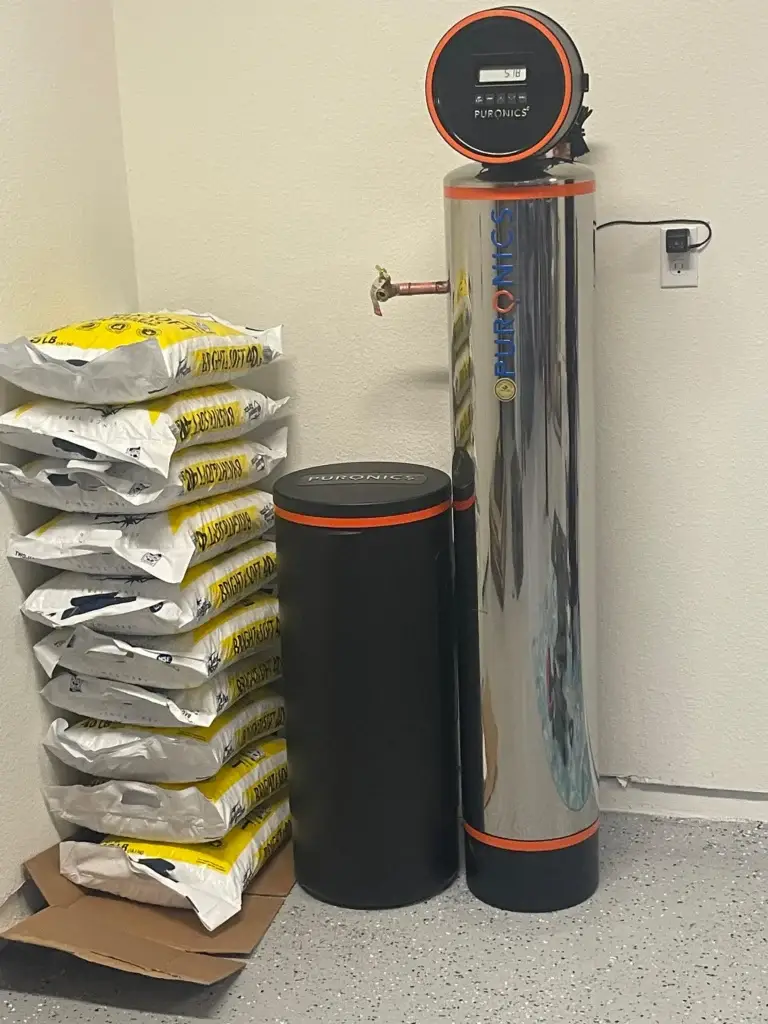
Our experts will evaluate your water conditions and recommend the best solution to improve the quality of water in your home or business.
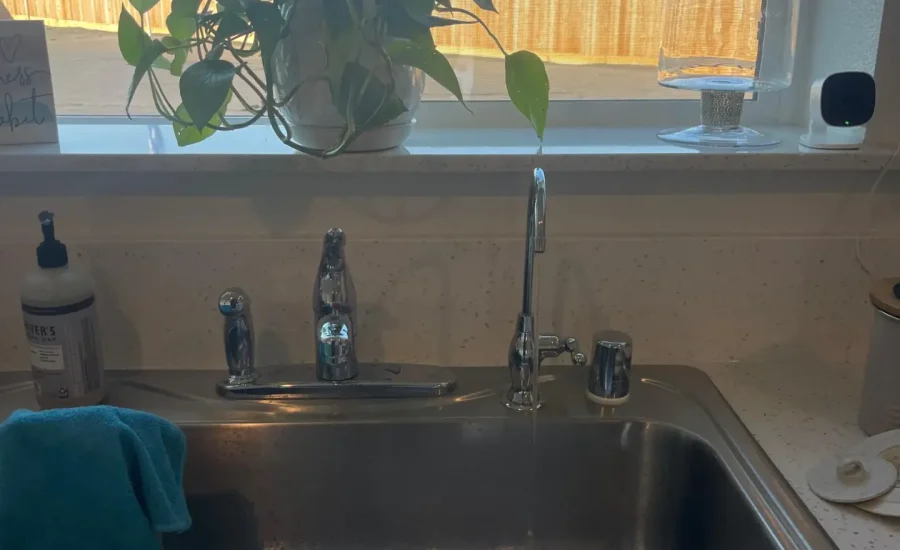
If you’ve ever turned on your faucet and been hit with a sharp chemical smell or something that reminds you of rotten eggs, you’re not imagining things — and you’re not alone. Unpleasant water odors are one of the most common complaints among homeowners in Merced County, San Joaquin County, and throughout California’s Central Valley.
The good news is that both chlorine and sulfur smells have clear causes, and both have reliable filtration solutions. Here’s what’s actually happening in your water — and how to fix it for good.
Chlorine odor in tap water is almost always the result of municipal water treatment. Water utilities across California — including districts serving Merced and Stockton — add chlorine or chloramine to disinfect the water supply and prevent bacterial growth during distribution.
While this disinfection process is necessary and safe, the chemical residue that arrives at your tap is a different story:
Chlorine in drinking water is not a health emergency at typical municipal levels, but prolonged exposure to chlorinated water — especially chloramine — has been linked to skin irritation, dry hair, and concerns about disinfection byproducts that form when chlorine reacts with organic matter in the water.
A sulfur or rotten egg smell is caused by hydrogen sulfide gas dissolved in your water. This is a different problem from chlorine and has different sources depending on whether you’re on a municipal supply or a private well.
In well water, hydrogen sulfide is usually produced naturally by:
In municipal water, sulfur smell is less common but can occur when:
In either case, the smell tends to be strongest from the hot water tap — a strong clue that the water heater may be part of the equation. If the smell is equally present in cold water, the source is in the supply itself.
Chlorine at municipal treatment levels is considered safe for consumption, though the disinfection byproducts it creates — trihalomethanes (THMs) and haloacetic acids (HAAs) — are monitored by the EPA and associated with long-term health concerns at elevated exposure levels.
Hydrogen sulfide at low concentrations (the amount typically found in residential water) is generally not a direct health hazard, but it often signals the presence of sulfur bacteria, which can be. High levels of hydrogen sulfide can also corrode plumbing and leave yellow or black staining on fixtures and laundry.
Neither issue should be ignored, and neither requires you to simply live with it.
Activated carbon is the gold standard for removing chlorine taste and odor from municipal water. Carbon filters work by adsorption — chlorine molecules bind to the porous surface of the carbon media as water passes through, leaving odor-free water at the tap.
For chloramine removal, catalytic carbon is required — standard carbon is not effective enough against this compound. Puronics systems use high-grade carbon media specifically rated for chloramine reduction, which matters for homeowners in districts that use this disinfection method.
Carbon filtration is available as:
Sulfur removal requires a different approach. Because hydrogen sulfide is a dissolved gas, carbon alone is not sufficient. The most effective method is oxidation filtration, which converts dissolved sulfide into solid particles that can then be filtered out.
Common oxidation filtration technologies include:
The right system depends on your sulfide levels, whether iron or manganese is also present, and whether you’re on well or municipal water. This is exactly why a water test — not a generic solution — is the correct first step.
For homeowners who want the highest level of odor and contaminant removal at the point of use, a Puronics reverse osmosis system installed under the kitchen sink delivers exceptional results. RO membranes remove dissolved gases, chlorine byproducts, minerals, and a wide range of contaminants that whole-house systems aren’t designed to address.
RO is not a whole-house solution — water pressure and flow rate make it practical only at a single tap — but paired with a whole-house carbon or oxidation filter, it covers every angle.
One of the most common mistakes homeowners make is buying a filtration system based on smell alone, without knowing what’s actually in the water. Chlorine and hydrogen sulfide require different technologies. Chloramine requires different carbon media than standard chlorine. Iron co-occurring with sulfide changes the filter specification entirely.
A professional water quality test identifies exactly what you’re dealing with — and what system will actually solve it.
A chlorine or sulfur smell in your water isn’t something you should have to get used to. Both are solvable problems with the right filtration approach — and as an authorized Puronics dealer serving Merced County, San Joaquin County, and the surrounding Central Valley, Aqua Premier Homes has the systems and the expertise to match the right solution to your specific water.
Whether you’re on a municipal supply dealing with chloramine or a well with hydrogen sulfide issues, we’ll start with a water test and recommend a system that actually addresses the root cause — not just the symptom.
Contact Aqua Premier Homes today to schedule your free water quality consultation and find out exactly what’s in your water.

Professional water softener installation, water filtration systems, and maintenance services tailored to meet your specific water needs.
We are proud to be licensed and insured professionals, giving our clients confidence and peace of mind when choosing our services.